protista autotroph or heterotroph
Examples of heterotrophic protists include amoebas paramecia sporozoans water molds and slime molds. This is by comparison when a group of autotrophic animals consumes food from another group of organisms.

Autotroph Or Heterotroph
Other organisms called heterotrophs take in autotrophs as food to carry out functions necessary for their life.
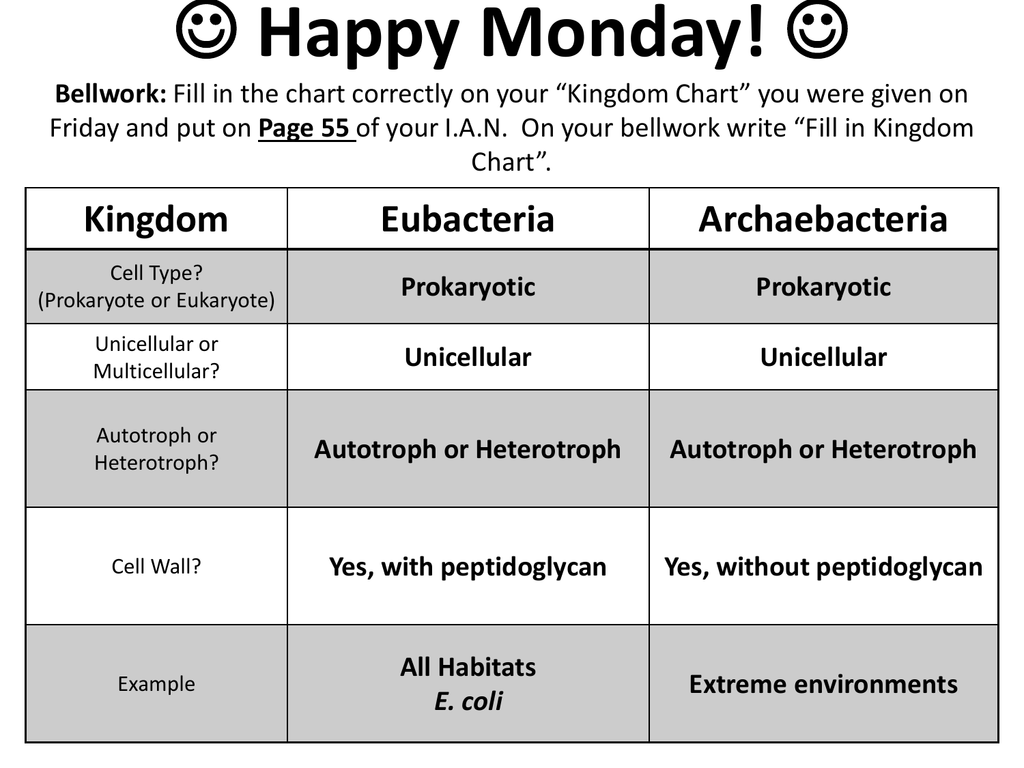
. Slime moulds and water moulds fungus-like protists are also heterotrophs like protozoa. Recall that autotrophs make their own food through photosynthesis or chemosynthesis see the Photosynthesis concepts. Autotrophs can produce their own food. Answer and Explanation.
How do protists obtain carbon-containing nutrients. Examples of heterotrophic protists include amoebas paramecia sporozoans water molds and slime molds. For example plants contain many autotritis. Protista comprises an assortment of primitive unicellular colonial and multicellular eukaryotes including simple photoautotrophic.
This answer has been confirmed as correct and helpful. Some like algae and planktons are autotrophic while animal-like. Are Bacteria Cells Autotrophs Or Heterotrophs. No not all protists are considered to be autotrophs.
Other protists are heterotrophic and cant make their own carbon containing nutrients. Protista is both heterotroph and autotroph and they are ALL eukaryotes. Protists that can be autotrophic heterotrophic or both are called mixotrophs. Some protists are autotrophic others are heterotrophic.
Animal protists are heterotrophs and plant like protists are autotrophs Answer link. 2 days agoProtists Autotrophs Heterotrophs Bacteria. In fact the term does not mean that all protozoa are the ancestors of the animals but refers to the fact that they ingest food which is typical of animals. Heterotrophic protista These Protista are also known as Protozoa which means first animals.
Some protists are autotrophic others are heterotrophic. Their cells contain chloroplasts that contain a green pigment chlorophyll to absorb sunlight. Some are photosynthetic autotrophs meaning that they are self-feeders and capable of using sunlight to generate carbohydrates for nutrition. Introduction to Protists.
Heterotrophs get their energy by consuming other organisms. Algae protozoa mobile heterotrophic and animal-like eg. Recall that autotrophs make their own food through photosynthesis or chemosynthesis see the Photosynthesis concepts. They can be divided into a number of systematic groups according to the shape of their cells and the type of photosynthetic pigments they use.
Slime molds and Oomycetes. The best-known group is the algae. Photoautotrophs include protists that have chloroplasts. Some protists are autotrophic others are heterotrophic.
Protozoa animal-like protists are heterotrophs that ingest or absorb their food and helps. Protists exhibit different methods of acquiring nutrition. Thus heterotrophs all animals almost all fungi as well as most bacteria and protozoa depend on autotrophs or primary producers for the energy and raw materials they need. Photoautotrophs include protists that have chloroplasts such as Spirogyra.
How do heterotrophs and autotrophs get their energy. Are plantlike that gain energy from photosynthesis while some protists are heterotrophs and gain energy from other organisms. Recall that autotrophs make their own food through photosynthesis or chemosynthesis see the Photosynthesis concepts. The latter refers to heterogeneous animals other feeders.
An autotrophic protist is a type of single-celled organism that can create its own food. Other protists are heterotrophs which acquire nutrition through feeding on other organisms. 1 Answer Jade Sep 25 2016 All protists are heterotrophs Explanation. Protista comprises an assortment of primitive unicellular colonial and multicellular eukaryotes including simple photoautotrophic1 organisms ie.
Autotrophic protista They can perform photosynthesis and mainly consist of unicellular algae. Amoeba and simple heterotrophic2 organisms eg. Some protists are autotrophs while others are heterotrophs. Recall that autotrophs make their own food through photosynthesis or chemosynthesis see the Photosynthesis concepts.
This course will primarily focus on photoautotrophic protists. Autotrophs are organisms that prepare their own food through the process of photosynthesis whereas heterotrophs are organisms that cannot prepare their own food and depend upon autotrophs for nutrition Which protists are heterotrophs. Protists exhibit different methods of acquiring nutrition. That means that most of their metabolic processes chemical reactions take place inside their membrane-bound organelles.
Autotrophs are able to produce their own food while heterotrophs must eat other organisms to survive. Log in for more information. Photoautotrophs include protists that have chloroplasts such as Spirogyra. Plant-like protists are mainly autotrophs which are capable of making their own food through photosynthesis but some are both autotrophic and heterotrophic like the Euglena.
Protists are a diverse group of single-celled creatures that are not easy to classify. Some protists are autotrophic others are heterotrophic. Which protists are considered Heterotrophs. Amoeba and simple heterotrophic.
Click to see full answer. Algae plant-like protists are autotrophs they get nutrition from photosythesis. Heterotrophs get their energy by consuming other organisms. Algae protozoa mobile heterotrophic and animal-like eg.
Are protists photosynthetic or non photosynthetic. Though some protists can be unicellular and others can be multi-cellular. They can be divided into a number of systematic groups according to the shape of their cells and the type of photosynthetic pigments they use. Which protists are autotrophic.
Protists can be found in a variety of environments including salt water fresh water soil and air. A self-feeding autotrophic food edible food is made using light or chemical energy. Some are photosynthetic autotrophs meaning that they are self-feeders and capable of using sunlight to generate carbohydrates for nutrition. Slime molds and Oomycetes.
Protista is both heterotroph and autotroph and they are ALL eukaryotes. Protista with its peculiar nature has varieties of ways to gain nutrition. Are protists or Heterotrophs. They can perform photosynthesis and mainly consist of unicellular algae.

Autotroph Or Heterotroph

What Kingdom Contains Only Autotrophs Complete Description

Producers Can Also Be Called Autotrophs And Consumers Can Be Called Heterotrophs Nutrition In Plants Organic Molecules Photosynthesis And Cellular Respiration

Science Visualized Prokaryotes History Of Science Science

Autotroph Vs Heterotroph

Post a Comment for "protista autotroph or heterotroph"